ارزانترین وبسایتی که میتوانید بخرید، بهندرت ارزانترین وبسایتی است که مالکش خواهید بود. قیمتهای ظاهری — چند صد دلار برای راهاندازی یک قالب آماده در برابر چند هزار دلار برای یک ساخت اختصاصی — تصمیم را بدیهی جلوه میدهند. اما وبسایتها طی سالها مالکیت میشوند، نه یکبار خریده؛ و در افق سهساله، هزینهٔ واقعی دو مسیر بسیار کمتر از آنچه قیمتشان نشان میدهد با هم تفاوت دارد. اینجا جایی است که پول واقعاً خرج میشود.
سال نخست: قالب آماده روی کاغذ برنده است
راهاندازی با قالب آماده واقعاً از همان ابتدا ارزانتر است: یک پوستهٔ گرافیکی، یک صفحهساز، انبوهی از افزونهها، و ظرف یکی دو هفته آنلاین. ساخت اختصاصی گرانتر است و بیشتر طول میکشد، چون کسی دارد کار واقعی انجام میدهد — معماری اطلاعات، مهندسی کارایی، ساختار محتوا، و تحلیل داده. اگر مقایسه در روز راهاندازی تمام میشد، قالبهای آماده برنده میشدند. اما در روز راهاندازی تمام نمیشود.
از سال نخست تا سوم: جایی که هزینههای قالب آماده پنهان میشوند
هزینههای قالب آماده بر اساس یک تقویم اشتراک و یک تقویم حادثه سر میرسند. مجوزهای افزونهها و پوستهها سالانه تمدید میشوند — مجموعهٔ نرمافزاری یک کسبوکار کوچکِ معمولی بیسروصدا سالی چند صد دلار خرج برمیدارد. سایتهای ساختهشده با صفحهساز ذاتاً سنگیناند و سایتهای کند بدتر تبدیل میکنند؛ این هزینه را یا نامرئی میپردازید، روی هر بازدیدکننده، برای همیشه، یا آشکارا، وقتی کسی را استخدام میکنید تا «سرعتش را بالا ببرد» و او تنها میتواند آنچه را پوسته اجازه میدهد کوتاه کند. تعارض افزونهها و خرابشدنهای ناشی از بهروزرسانی در بدترین زمانهای ممکن فاکتورهای تعمیر اضطراری تولید میکنند. و محدودیتهای ساختاری همان اولین باری سر میرسند که کسبوکار به چیزی نیاز پیدا میکند که پوسته پیشبینیاش نکرده بود — یک یکپارچهسازی، یک زبان، یک فرایند رزرو — جایی که پاسخ یا افزونهای دیگر است (باز هم سنگینتر) یا «پوسته نمیتواند این کار را انجام دهد.»
قاتل خاموش: بازسازی
رایجترین چرخهٔ عمری که میبینیم، یک سایت قالبی است که در سال دوم یا سوم بازسازی میشود — نه به این دلیل که صاحبش طراحی مجدد میخواست، بلکه چون سایت نمیتوانست رشد کند. در آن نقطه، هر دلار از مسیر «ارزان» صرف اجارهٔ زمان شده بود.
تصویر ۳ساله
اعداد از کسبوکاری به کسبوکار دیگر فرق میکنند، اما شکل کلی فرق نمیکند: مسیر قالب آماده صرفهجویی را در ابتدا و هزینهها را در انتها میگذارد؛ مسیر اختصاصی این را وارونه میکند.
- ساخت
- ۵۰۰–۱۵۰۰ دلار
- مجوزها و افزونهها (۳ سال)
- ۶۰۰–۱۵۰۰ دلار
- رفع اشکال اضطراری و وصلهکاری
- مکرر و غیرقابلپیشبینی
- مالیات سرعت و نرخ تبدیل
- مستمر و نامرئی
- بازسازی سال ۲–۳
- رایج
- شکل ۳ساله
- ورود ارزان، اصطکاک زیاد، اغلب به بازسازی میانجامد
- ساخت
- از ۳۰۰۰ دلار
- مجوزها و افزونهها (۳ سال)
- حداقلی — افزونههای پولی کم یا هیچ
- رفع اشکال اضطراری و وصلهکاری
- نادر — با یک طرح نگهداری میشود
- مالیات سرعت و نرخ تبدیل
- از پیش مهندسی و برطرفشده
- بازسازی سال ۲–۳
- لازم نیست — برای توسعه ساخته شده
- شکل ۳ساله
- ورود گرانتر، اصطکاک کم، انباشته میشود
چه زمانی قالب آماده انتخاب درستی است
صداقت دو طرفه است. اگر در حال سنجش یک ایده هستید، به یک جایگزین موقت نیاز دارید تا کسبوکار واقعی شکل بگیرد، یا واقعاً به پنج صفحهٔ ثابت نیاز دارید که هرگز رشد نخواهند کرد — قالب آماده منطقی است، و آژانسی که برای چنین خواستهای ساخت اختصاصی را به شما تحمیل میکند دارد چیزی گرانتر به شما میفروشد. اشتباه، خریدن قالب آماده نیست؛ اشتباه، خریدن آن برای کسبوکاری است که همین حالا هم میداند از آن فراتر خواهد رفت، و پرداختن بهای یک وبسایت واحد دو بار.
پرسشی که تصمیم را میگیرد
نپرسید «وبسایت چقدر هزینه دارد؟» بپرسید «وبسایت در سه سال آینده باید چه کاری انجام دهد؟» اگر پاسخ به رشد مربوط میشود — ترافیک بیشتر، زبانهای بیشتر، یکپارچهسازیهای بیشتر، تبدیل بیشتر — زیربنا را یکبار بخرید. اگر پاسخ «وجود داشتن» است، قالب آماده را بخرید و تفاوت هزینه را صرف بازاریابی کنید.
ساختهای سفارشی ما از ۳۰۰۰ دلار شروع میشوند — منتشرشده، نه استعلامی.

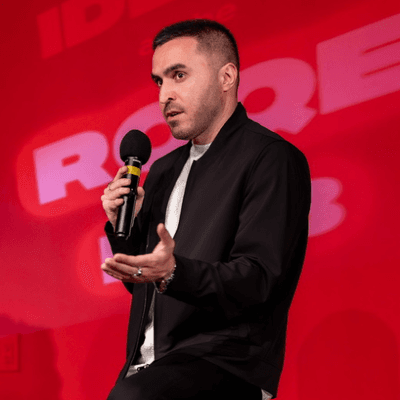
Hamed Azimi
بنیانگذار، NexusWave
حامد عظیمی بنیانگذار NexusWave Technologies است، یک آژانس دیجیتال و استودیوی محصولِ هوشمصنوعیمحورِ مستقر در Vancouver.

ما این راهنماها را از دلِ کارِ واقعیِ مشتری مینویسیم — GEO، SEO و ساختهایی که عرضه کردهایم. اگر مطلبی پرسشی دربارهٔ سایت خودتان برانگیخت، با کمال میل به آن نگاه میکنیم.
- پاسخهای صریح، بدون نیاز به قرارداد نگهداری
- به زبان شما پاسخ میدهیم — EN · فارسی
- مستقر در کانادا، فعال در سراسر جهان