رایجترین راهی که کسبوکارها برای ورود آنلاین به بازارهای فارسیزبان و عربیزبان انتخاب میکنند، دقیقاً همان راهی است که شکست میخورد: سایت انگلیسی را بردار، کلمات کلیدی را ترجمه کن، منتشر کن، منتظر بمان. محتوا از نظر دستوری بیعیب و بهشکلی حرفهای ترجمهشده است — و در عین حال نامرئی، چون ترجمه، زبانِ درست تولید میکند، نه زبانِ جستوجو را. مردم آنطور که مترجمها مینویسند جستوجو نمیکنند. با تجربهی ساخت و رتبهگرفتنِ محتوا بهصورت بومی در هر دو زبان، اینجا همان جایی است که رویکرد تحتاللفظی میشکند.
مردم با زبان گفتار جستوجو میکنند، نه با اصطلاحات فرهنگ لغت
یک مترجم عبارت «طراحی سایت ارزان» را به فارسی یا عربیِ رسمی و درست برمیگرداند. اما کاربر واقعی همان عبارت محاورهای را تایپ میکند که خودش به زبان میآورد — اغلب کلمهای کاملاً متفاوت، و بارها آمیخته با یک وامواژهی انگلیسی (سایت برای وبسایت، دیزاین که مستقیماً قرض گرفته شده). تحقیق کلمات کلیدی باید از دادههای واقعیِ جستوجو در زبان مقصد آغاز شود، نه از یک فهرست انگلیسی که از دل ترجمه عبور کرده — چون واژهی ترجمهشده و واژهای که جستوجو میشود معمولاً دو کلمهی متفاوت با حجمهای متفاوتاند.
عربی یک بازار جستوجوی واحد نیست
محتوای نوشتاریِ عربی بهطور پیشفرض به عربی معیار مدرن نوشته میشود، اما رفتار جستوجو را لهجه شکل میدهد: یک مصری، یک سعودی و یک مراکشی ممکن است برای یک محصولِ واحد سراغ کلمات روزمرهی متفاوتی بروند. MSA معمولاً سطحِ زبانیِ درستِ نوشتار است، اما هدفگیری کلمات کلیدی باید بداند خریداران واقعی شما از کدام گونههای منطقهای استفاده میکنند — «SEO عربی» که بهصورت یک بازار یکدستِ تفکیکنشده انجام شود، بیسروصدا برای هیچکس بهینه میکند.
فارسی یک تله در سطح کاراکتر دارد: ZWNJ
کلمات مرکب فارسی با یک نیمفاصله (ZWNJ) به هم میپیوندند — کاراکتری نامرئی که هم نحوهی نوشتهشدن یک واژه و — مهمتر از آن — نحوهی توکنایز شدنش را تغییر میدهد. یک واژهی مرکبِ واحد که با ZWNJ، با فاصله، یا سرِ هم و چسبیده تایپ شود، سه رشتهی متفاوت است، و کاربران واقعی هر سه را تایپ میکنند. حالا شکلهای متعدد Unicode برای حروف رایج (حرف ي عربی در برابر ی فارسی) را هم که صفحهکلیدها بهشکلی ناهمگون تولید میکنند به این اضافه کنید، و تطبیق سادهانگارانهی کلمات کلیدی بخش بزرگی از جستوجوهای واقعی را از دست میدهد.
یک واژه، سه رشته
پیوسته با ZWNJ · جداشده با فاصله · چسبیده به هم — سه توکن متفاوت برای موتور جستوجو، که همه را کاربران واقعی تایپ میکنند. محتوا و فراداده باید با در نظر گرفتن این گونهها نوشته و گاهی از نظر فنی نرمالسازی شوند.
نویسهگردانی یک الگوی جستوجوی واقعی است
سهم قابلتوجهی از فارسیزبانان واژههای فارسی را با حروف Latin تایپ میکنند («Finglish»)، و عربزبانان هم همین کار را میکنند («Arabizi/Franco»)، بهویژه روی صفحهکلیدهای دسکتاپ. این جستوجوها اصلاً در یک فهرست کلمات کلیدیِ ترجمهشده ظاهر نمیشوند، اما دقیقاً همان شیوهایاند که مشتریان واقعی جستوجو میکنند — ارزشِ دانستن، اندازهگیری و گاه هدفگیری را دارند.
لایهی فنی هم بیسروصدا شکست میخورد
حتی محتوای بومیِ بینقص هم روی سایتی که برای آن ساخته نشده ضعیف عمل میکند: چیدمانهای RTL که بهجای ویژگیهای منطقیِ درست با ترفندهای CSS برعکس شدهاند، اسلاگهای Latin روی صفحات عربی (یا اسلاگهای شکستهی درصد-اِنکد شده)، تگهای hreflang که متقابل نیستند (یک خطای واحد باعث میشود موتورهای جستوجو کل خوشهی زبانی را نادیده بگیرند)، و فونتهایی که متن فارسی را با یک فونتِ جایگزینِ عربیشکل رندر میکنند که خواننده بلافاصله آن را ناجور مییابد. به همین دلیل است که ما SEO چندزبانه را یک رشتهی مهندسی میدانیم: محتوا و معماری با هم رتبه میگیرند یا اصلاً رتبه نمیگیرند.
چه چیزی واقعاً جواب میدهد
تحقیق کلمات کلیدیِ بومی از دادههای واقعیِ جستوجو در هر زبان؛ محتوایی که بهدست گویشورانِ بومی نوشته (یا بازبینی) شده باشد — کسانی که برای بازار مینویسند، نه اینکه صرفاً به آن ترجمه کنند؛ RTL و hreflangِ فنی که یک بار درست انجام شود؛ و اندازهگیری جداگانه برای هر زبان، چون میانگینگیری میان زبانها پنهان میکند که واقعاً کدام بازار در حال حرکت است.
ما SEO را بهصورت بومی به انگلیسی، فارسی و عربی ارائه میدهیم.

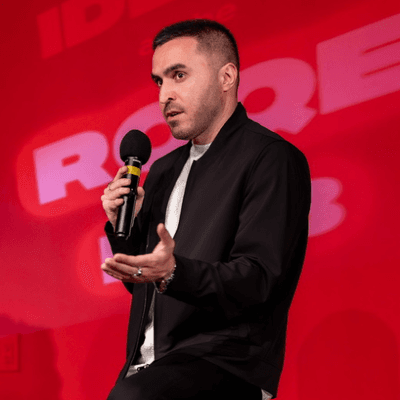
Hamed Azimi
بنیانگذار، NexusWave
حامد عظیمی بنیانگذار NexusWave Technologies است، یک آژانس دیجیتال و استودیوی محصولِ هوشمصنوعیمحورِ مستقر در Vancouver.

ما این راهنماها را از دلِ کارِ واقعیِ مشتری مینویسیم — GEO، SEO و ساختهایی که عرضه کردهایم. اگر مطلبی پرسشی دربارهٔ سایت خودتان برانگیخت، با کمال میل به آن نگاه میکنیم.
- پاسخهای صریح، بدون نیاز به قرارداد نگهداری
- به زبان شما پاسخ میدهیم — EN · فارسی
- مستقر در کانادا، فعال در سراسر جهان