كل خطة شهرية من NexusWave — SEO ووسائل التواصل الاجتماعي والاستضافة والرعاية — هي شهرية متجددة: ألغِ في أي وقت بإشعار مدته شهر واحد. في صناعة تُعدّ فيها عقود الإلزام لمدة ٦ و١٢ شهراً هي المعيار، يسأل العملاء بانتظام عمّا إذا كان ذلك سذاجة. إنه ليس كذلك؛ إنه رهان مدروس على الحوافز، ويستحق الشرح بصدق — بما في ذلك الأجزاء التي يكون فيها للعقود الطويلة مبرر حقيقي.
لماذا تُقيّد الوكالات العملاء بالعقود
ثلاثة أسباب حقيقية. أولاً، إمكانية التنبؤ بالإيرادات: توظّف الوكالات بناءً على الإيرادات المتعاقد عليها، وعقود الإلزام تجعل حسابات الرواتب آمنة. ثانياً، حجة تبدو عادلة: عمل مثل SEO يتراكم أثره على مدى أشهر، لذا فإن العقد «يحمي العميل من الانسحاب قبل وصول النتائج». ثالثاً — السبب الصامت — الاحتفاظ بالعميل عبر العقد أسهل من الاحتفاظ به عبر الأداء. بمجرد أن توقّع لمدة عام، لا يحتاج عمل هذا الشهر إلى تبرير فاتورة الشهر التالي.
حجة التراكم، مأخوذة على محمل الجد
أقوى حجة مؤيدة للعقد صحيحة إلى الحد الذي تذهب إليه: SEO والمحتوى يستغرقان فعلاً أشهراً حتى يتراكم أثرهما، والعميل الذي ينسحب في الأسبوع السادس تحمّل تكلفة الإعداد ورحل قبل جني الثمار. لكن لاحظ ما يفعله العقد في الواقع — إنه ينقل تلك المخاطرة من الوكالة إليك. إذا كان العمل على المسار الصحيح، فستبقى على أي حال ويكون العقد مجرد زينة. الشهر الوحيد الذي يُغيّر فيه عقد الإلزام أي شيء هو الشهر الذي قررت فيه أن العمل لا يستحق ذلك — وهو بالضبط الشهر الذي يجبرك على الاستمرار في الدفع.
ما الذي يُغيّره النظام الشهري في جانبنا
إنه يجعل كل تقرير شهري عرضاً للتجديد. إذا لم يكن التقدم مرئياً — حركة، دروس مستفادة، سرد صادق لما هو قادم — يمكنك المغادرة خلال ثلاثين يوماً، لذا فإن الضغط لجعل التقدم مرئياً بنيوي، وليس مجرد طموح. كما أنه يفرض تحديد نطاق صادق: الوكالة التي يمكن أن تفقدك بسرعة لا تستطيع أن تبالغ في وعود كيف سيبدو الشهر الثالث. ويُنقّي سلوكنا نحن في الأشهر البطيئة: عندما تؤدي قناة ما أداءً ضعيفاً، علينا أن نقول ذلك ونُعدّل، لأن «العقد يمتد حتى مارس» ليس متاحاً كاستراتيجية.
ما الذي يطلبه منك
التماثل يتطلب الصدق هنا أيضاً: النظام الشهري ينجح عندما يلعب العميل أيضاً اللعبة الطويلة. العمل المتراكم لا يزال يتراكم — الحكم على اشتراك SEO في الأسبوع الخامس هو الحكم على منزل نصف مبنيّ بسبب المطر القادم. إشعار الشهر الواحد موجود كي لا يُباغَت أي من الطرفين، والتقرير الشهري موجود كي يُتخذ قرار البقاء/المغادرة بناءً على الأدلة. «الإلغاء في أي وقت» لا يعني «توقّع النتائج فوراً»؛ بل يعني لا أحد مضطر إلى البقاء بناءً على الإيمان وحده.
متى يكون الالتزام الأطول مشروعاً
العدل يسري في الاتجاهين: مشروع بنطاق ثابت (بناء، إعادة تصميم للعلامة التجارية) هو بطبيعته اتفاق مشروع، وليس خطة متجددة. وعندما يطلب عميل منّا مدةً أطول مقابل تسعير مثبّت، فتلك مقايضة معقولة تم اختيارها بحرية. أما ما لن نفعله فهو جعل القيود شرطاً للبدء — البائع الواثق من عمل الشهر المقبل لا يحتاج إلى توقيع هذا الشهر ليضمنه.
كل خطة وشروطها موجودة في صفحة الأسعار.

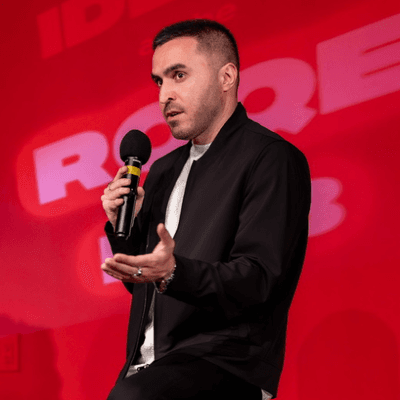
Hamed Azimi
المؤسّس، NexusWave
حامد عظيمي هو مؤسّس NexusWave Technologies، وكالة رقمية واستوديو منتجات يعتمد الذكاء الاصطناعي ومقرّه Vancouver.

نكتب هذه الأدلة من عمل عملاء حقيقي — GEO وSEO وإنشاءات أطلقناها. وإن أثار مقال سؤالًا حول موقعك، يسعدنا أن نُلقي نظرة عليه.
- إجابات مباشرة، دون الحاجة إلى عقد شهري
- نردّ بلغتك — EN · العربية
- مقرّنا في كندا، ونعمل حول العالم